
Common Challenges Facing Teachers in Ghana and Practical Solutions: A Complete Guide for Better Teaching and Learning

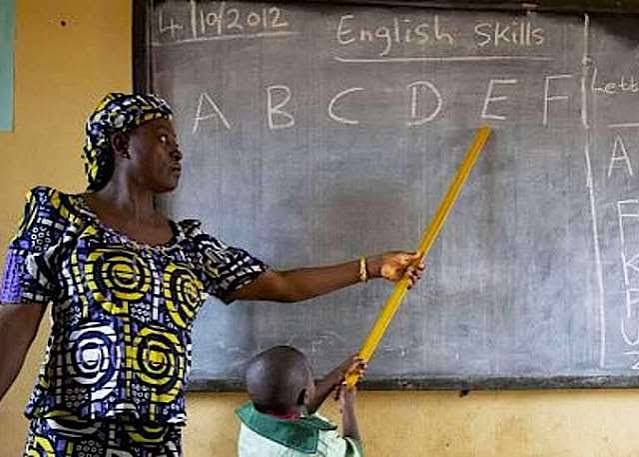
Majority people in Ghana have accepted the fact that teaching is one of the most respected professions in Ghana, yet it is also one of the most demanding. Every day, teachers are expected to prepare lessons, assess learners, manage classrooms, support pupils with different learning needs, complete administrative duties, and contribute to the overall development of their schools. Despite their dedication, many teachers face obstacles that make delivering quality education more difficult.
Understanding these challenges is the first step toward finding practical solutions. This article explores the most common challenges facing teachers in Ghana, explains their impact on teaching and learning, and offers realistic strategies that teachers, school leaders, parents, and policymakers can adopt to improve educational outcomes.
Why It Is Important to Address Teachers’ Challenges
Teachers are central to the success of every education system. When they have the resources, support, and motivation needed to perform their duties effectively, pupils benefit through improved learning experiences and better academic achievement.
In our experience working with educators and reviewing classroom practices, even small improvements in teacher support—such as access to teaching materials, professional development, or collaborative planning—can significantly improve classroom performance and learner engagement.
1. Large Class Sizes
Many public basic schools in Ghana have classrooms with a high number of pupils. Managing large classes makes it difficult to provide individual attention, monitor learner progress, and conduct interactive lessons.
Practical Solutions
Teachers can improve learning in large classes by:
- Organising pupils into cooperative learning groups.
- Using peer tutoring to support struggling learners.
- Preparing classroom routines that maximise learning time.
- Rotating group activities to ensure participation.
- Using formative assessments to identify learners who need additional support.
School leaders can also advocate for equitable teacher deployment where enrolment continues to increase.
2. Inadequate Teaching and Learning Materials
Many teachers work in schools with limited textbooks, teaching aids, science equipment, and digital resources. This often makes lessons less engaging and limits opportunities for practical learning.
Practical Solutions
Teachers can:
- Create teaching aids using locally available materials.
- Encourage pupils to participate in making learning resources.
- Share materials across departments where possible.
- Use recycled items for science and mathematics demonstrations.
- Incorporate educational videos and open digital resources when internet access is available.
When testing lessons that used homemade teaching aids, many learners showed greater interest because they could interact with familiar objects from their environment.
3. Heavy Administrative Workload
Teaching involves much more than classroom instruction. Teachers are responsible for preparing lesson notes, recording attendance, assessing learners, completing continuous assessment records, writing reports, and attending meetings.
These responsibilities can reduce the time available for lesson preparation and learner support.
Practical Solutions
Teachers can manage workloads by:
- Creating weekly work schedules.
- Using digital tools to organise records where appropriate.
- Preparing lesson resources in advance.
- Collaborating with colleagues to develop shared teaching materials.
- Prioritising tasks based on deadlines and educational impact.
Good planning reduces stress and improves efficiency.
4. Diverse Learning Needs
Every classroom includes learners with different abilities, backgrounds, interests, and learning speeds. Some pupils require additional support, while others need more challenging activities.
Practical Solutions
Effective strategies include:
- Differentiating classroom activities.
- Providing additional explanations where necessary.
- Using visual, practical, and discussion-based teaching methods.
- Encouraging peer learning.
- Monitoring learner progress continuously.
Flexible instruction ensures that every pupil has an opportunity to succeed.
5. Classroom Discipline Challenges
Maintaining discipline remains one of the most common concerns among teachers. Disruptive behaviour can affect lesson delivery and reduce learning time.
Practical Solutions
Teachers can build positive classroom environments by:
- Establishing clear classroom rules together with pupils.
- Applying rules consistently and fairly.
- Recognising positive behaviour.
- Keeping lessons engaging and interactive.
- Building respectful relationships with learners.
Preventive classroom management is generally more effective than relying solely on punishment.
6. Limited Access to Professional Development
Educational policies, teaching methods, and technologies continue to evolve. However, not all teachers have equal access to workshops, seminars, or training opportunities.
Practical Solutions
Teachers can continue developing professionally by:
- Participating in Continuous Professional Development (CPD) programmes.
- Joining teacher learning communities.
- Reading educational journals and reputable online resources.
- Sharing classroom experiences with colleagues.
- Reflecting on lesson outcomes and identifying areas for improvement.
Continuous learning helps teachers remain effective throughout their careers.
7. Integrating Technology into Teaching
Digital technology offers valuable opportunities, but some teachers face challenges such as limited equipment, unreliable internet access, or insufficient training.
Practical Solutions
Schools and teachers can:
- Begin with simple digital tools.
- Use offline educational resources where possible.
- Develop basic digital literacy skills.
- Explore educational applications that support lesson preparation.
- Encourage responsible use of technology among learners.
Technology should enhance teaching rather than complicate it.
8. Limited Parental Involvement
Some teachers struggle to maintain regular communication with parents regarding learners’ academic progress, attendance, or behaviour.
Without parental support, addressing learning challenges becomes more difficult.
Practical Solutions
Teachers can strengthen home-school partnerships by:
- Organising regular parent meetings.
- Communicating learner progress respectfully.
- Encouraging parents to support reading and homework at home.
- Sharing practical learning tips with families.
- Recognising parents who actively participate in school activities.
Strong partnerships contribute to better learner outcomes.
9. Financial and Resource Constraints
Many schools operate with limited budgets, affecting classroom resources, maintenance, and extracurricular activities.
Practical Solutions
Schools can:
- Prioritise essential educational resources.
- Encourage community partnerships.
- Organise resource-sharing initiatives.
- Apply for educational support programmes where available.
- Promote careful maintenance of existing equipment.
Creative resource management often helps schools maximise limited budgets.
10. Teacher Motivation and Well-Being
Teaching is rewarding, but it can also be emotionally and physically demanding. Heavy workloads, limited resources, and personal responsibilities may affect motivation.
Practical Solutions
Teachers should:
- Maintain a healthy work-life balance.
- Celebrate personal and professional achievements.
- Seek support from colleagues.
- Participate in professional networks.
- Set realistic goals for continuous improvement.
In our experience, teachers who prioritise their well-being often maintain greater enthusiasm and resilience throughout the school year.
11. Adapting to Curriculum Changes
Curriculum revisions require teachers to adjust lesson plans, assessment methods, and instructional approaches.
For example, Ghana’s Standard-Based Curriculum encourages learner-centred teaching, competency-based assessment, and active classroom participation.
Practical Solutions
Teachers can adapt successfully by:
- Studying curriculum guides carefully.
- Attending orientation programmes.
- Collaborating with colleagues during lesson planning.
- Sharing best practices within subject departments.
- Reviewing lesson effectiveness regularly.
Preparation reduces uncertainty during curriculum implementation.
12. Supporting Learners with Learning Difficulties
Some pupils experience challenges with reading, writing, mathematics, attention, or language development.
Early identification is essential for effective support.
Practical Solutions
Teachers should:
- Observe learning patterns carefully.
- Provide targeted interventions.
- Break complex tasks into smaller steps.
- Offer regular encouragement.
- Work closely with parents and school support personnel when available.
Inclusive classrooms benefit all learners.
Building a Positive School Culture
A supportive school environment benefits teachers and pupils alike.
School leaders can promote positive culture by:
- Encouraging teamwork.
- Recognising teacher achievements.
- Supporting innovation.
- Providing constructive feedback.
- Promoting respectful communication.
Schools that value collaboration often experience stronger staff morale and improved learner performance.
Practical Tips for Teachers to Stay Effective
Teachers can improve classroom effectiveness by adopting simple daily habits:
- Prepare lessons well in advance.
- Set clear learning objectives.
- Use a variety of teaching methods.
- Encourage learner participation.
- Reflect on each lesson.
- Continue learning through CPD opportunities.
- Build positive relationships with pupils and colleagues.
- Maintain accurate assessment records.
- Embrace appropriate educational technology.
- Celebrate learner progress, regardless of size.
Consistent improvement often produces better long-term results than dramatic changes.
The Role of Communities and Policymakers
Improving education is a shared responsibility.
Communities, educational authorities, and policymakers can support teachers by:
- Providing adequate teaching resources.
- Improving school infrastructure.
- Expanding professional development opportunities.
- Strengthening teacher welfare programmes.
- Encouraging community participation in education.
- Supporting initiatives that improve digital access in schools.
Collaborative efforts create stronger learning environments for everyone.
Conclusion
Teachers in Ghana continue to play a vital role in shaping future generations despite facing numerous challenges. Large class sizes, limited teaching resources, administrative responsibilities, technology integration, and diverse learner needs require commitment, creativity, and resilience.
Although these challenges cannot always be eliminated immediately, practical strategies can make a meaningful difference. Through continuous professional development, collaboration, effective classroom management, innovative teaching methods, and stronger partnerships with parents and communities, teachers can continue providing high-quality education that empowers learners to achieve their full potential. Some people always call us to ask questions and we have provided them below this article with response that suit any question you would like to ask. Checkout below:
Frequently Asked Questions
What are the biggest challenges facing teachers in Ghana?
Some of the most common challenges include large class sizes, limited teaching and learning materials, heavy administrative workloads, classroom discipline issues, inadequate access to professional development, technology integration challenges, and limited parental involvement.
How can teachers improve learning in large classrooms?
Teachers can organise cooperative learning groups, use peer tutoring, differentiate instruction, establish effective classroom routines, and apply continuous assessment to monitor learner progress while ensuring active participation.
Why is Continuous Professional Development important for teachers?
Continuous Professional Development helps teachers improve instructional skills, adapt to curriculum changes, integrate new teaching methods, strengthen assessment practices, and remain effective throughout their careers.
How can parents support teachers and improve pupil performance?
Parents can encourage regular attendance, monitor homework, communicate with teachers, provide a supportive home learning environment, promote reading habits, and participate in school activities. Strong collaboration between home and school contributes significantly to learners’ academic success.
