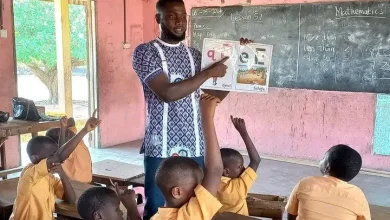
Scholarship Opportunities for Ghanaian Students: A Complete Guide to Finding and Winning Funding for Your Education


As everybody in the world knows that education opens doors to better careers and personal growth, but the cost of tuition, accommodation, books, and transportation prevents many talented students from achieving their dreams. The good news is that hundreds of scholarships are available every year for students at the basic, secondary, tertiary, and postgraduate levels.
It’s sometimes very sad that many students miss these opportunities because they do not know where to look or how to submit a strong application. In our experience helping students understand scholarship opportunities, one common challenge is that applicants often wait until deadlines are close before preparing their documents.
This guide explains the different types of scholarships available to Ghanaian students, where to find legitimate opportunities, how to prepare a competitive application, and common mistakes to avoid. Let us go through this and read at the end you will surely understand the whole article very well.
Why Scholarships Matter
Scholarships do more than pay school fees. They provide financial relief, reduce student debt, and allow learners to focus on their studies instead of worrying about expenses.
Benefits of scholarships include:
- Reduced financial burden on families.
- Access to quality education.
- Opportunities to study abroad.
- Improved career prospects.
- Networking with professionals and other scholars.
- Recognition of academic excellence and leadership.
For many Ghanaian students, a scholarship can be the difference between continuing their education and dropping out.
Types of Scholarships Available to Ghanaian Students
Understanding the different scholarship categories helps students identify opportunities that match their qualifications.
1. Merit-Based Scholarships
These scholarships reward students with excellent academic performance.
Selection is usually based on:
- High examination scores
- Academic transcripts
- Awards and achievements
- Leadership qualities
Students who consistently perform well in school should actively pursue these opportunities.
2. Need-Based Scholarships
These scholarships support students from financially disadvantaged backgrounds.
Applicants may need to provide:
- Income statements
- Recommendation letters
- Proof of financial hardship
- Community endorsement
Financial need is carefully assessed alongside academic potential.
3. Government Scholarships
Government-sponsored scholarships support students studying within Ghana and abroad.
These programmes often target priority areas such as:
- Education
- Science
- Engineering
- Agriculture
- Health
- Technology
Eligibility requirements vary depending on the programme.
4. University Scholarships
Many universities provide scholarships for outstanding students.
These may include:
- Academic excellence awards
- Sports scholarships
- Research grants
- Leadership awards
- Department-specific funding
Students should regularly check their university’s scholarship office for announcements.
5. International Scholarships
International organizations, foreign governments, and universities offer scholarships for Ghanaian students.
Many cover:
- Tuition fees
- Accommodation
- Airfare
- Health insurance
- Living expenses
- Research support
Competition is usually high, making strong preparation essential.
Popular Scholarship Sources for Ghanaian Students
Reliable scholarship opportunities can be found through several trusted sources.
Government Agencies
Government institutions periodically announce scholarships for local and international study. Students should regularly monitor official announcements rather than relying solely on social media posts.
Universities
Public and private universities frequently advertise scholarships on their websites and notice boards.
Current students should also speak with academic advisors and financial aid offices.
International Organizations
Organizations supporting education often fund talented students from developing countries.
Examples include scholarships funded by:
- Commonwealth programmes
- International development agencies
- Global education foundations
- Research institutions
Each programme has unique eligibility requirements.
Private Companies
Corporate organizations sometimes sponsor students pursuing fields related to their industries.
These scholarships often focus on:
- Engineering
- ICT
- Business
- Finance
- Environmental studies
Recipients may also receive internship opportunities.
Religious and Non-Governmental Organizations
Faith-based organizations and NGOs support students through educational sponsorship programmes.
These scholarships often consider:
- Academic performance
- Community service
- Financial need
- Leadership potential
How to Find Genuine Scholarship Opportunities
Unfortunately, scholarship scams have become common. Students should verify every opportunity before applying.
Reliable ways to search include:
- Official university websites
- Government education portals
- Embassy websites
- International organization websites
- School guidance and counselling offices
- Trusted educational websites
In our experience, genuine scholarships never demand large processing fees before application.
If an opportunity requests payment before consideration, students should investigate carefully.
Documents Commonly Required
Preparing documents early gives applicants a significant advantage.
Typical requirements include:
- Academic transcripts
- Certificates
- Birth certificate
- National identification
- Passport-sized photographs
- Personal statement
- Curriculum Vitae (CV)
- Recommendation letters
- Admission letter (where applicable)
- Valid passport for international scholarships
Store digital copies of these documents in a secure folder for easy access.
How to Write a Strong Scholarship Personal Statement
A personal statement is one of the most important parts of an application.
It should explain:
- Your educational background
- Career aspirations
- Leadership experiences
- Community involvement
- Financial need where applicable
- Reasons for choosing the programme
Avoid copying statements from the internet.
Scholarship committees can often identify generic applications.
Instead, write honestly and use real examples from your own educational journey.
Step-by-Step Scholarship Application Process
Following a structured approach improves your chances of success.
Step 1: Research Early
Begin searching several months before application deadlines.
Many competitive scholarships open applications only once each year.
Step 2: Read the Eligibility Criteria
Do not assume every scholarship matches your profile.
Read all requirements carefully before applying.
Step 3: Prepare Your Documents
Gather and organize all required documents before the application opens.
This reduces last-minute stress.
Step 4: Complete the Application Carefully
Fill every section accurately.
Double-check names, dates, and contact information.
Step 5: Proofread Everything
Grammar mistakes, incomplete answers, and spelling errors create a poor impression.
Review every document carefully before submission.
Step 6: Submit Before the Deadline
Late applications are rarely accepted.
Aim to submit several days before the closing date.
Step 7: Prepare for Interviews
Some scholarships require interviews.
Practice answering questions about:
- Your educational goals
- Leadership experiences
- Future career plans
- Reasons for applying
Confidence and honesty often leave a stronger impression than memorized responses.
Common Reasons Scholarship Applications Are Rejected
Many qualified students miss scholarships because of avoidable mistakes.
Common errors include:
- Missing deadlines
- Incomplete applications
- Poor personal statements
- False information
- Weak recommendation letters
- Failure to meet eligibility requirements
- Poor academic records
- Failure to follow instructions
Attention to detail can significantly improve your chances.
Tips to Increase Your Scholarship Success Rate
Successful applicants usually demonstrate more than academic excellence.
Consider these practical strategies:
- Maintain strong academic performance.
- Participate in volunteer work.
- Develop leadership skills.
- Join school clubs and educational activities.
- Build positive relationships with teachers.
- Keep certificates well organized.
- Apply for multiple scholarships instead of relying on one opportunity.
- Improve your communication and writing skills.
- Stay informed about new scholarship announcements.
When reviewing successful applications, one consistent pattern is that applicants clearly explain how the scholarship aligns with their long-term goals and how they intend to contribute positively to their communities.
Scholarship Opportunities for Teachers
Teachers in Ghana should not overlook scholarships designed specifically for education professionals.
Funding opportunities may support:
- Bachelor’s degree completion
- Master’s programmes
- Doctoral studies
- Professional certification
- Educational leadership
- Research projects
- Short professional development courses
Teachers should regularly monitor announcements from educational institutions, professional associations, and relevant government agencies.
Scholarship Opportunities for BECE and SHS Graduates
Students completing BECE or Senior High School can also benefit from scholarship programmes.
Some organizations provide assistance for:
- Senior High School education
- Technical and vocational education
- Nursing training
- Teacher education
- University admission
Parents and guardians should encourage students to begin searching immediately after examination results are released.
Staying Safe from Scholarship Scams
Fraudsters often target students searching for financial assistance.
Protect yourself by following these guidelines:
- Apply only through official websites.
- Never pay large application fees.
- Verify scholarship announcements independently.
- Confirm deadlines through official sources.
- Be cautious of guaranteed scholarship offers.
- Avoid sharing sensitive personal information unnecessarily.
If an offer sounds too good to be true, take time to verify its authenticity.
Conclusion
Scholarships remain one of the most effective ways for Ghanaian students to achieve their educational ambitions without overwhelming financial pressure. Although competition can be strong, careful preparation, early planning, and attention to detail can greatly improve your chances of success.
Whether you are a basic school student, SHS graduate, university undergraduate, teacher, or postgraduate applicant, there are scholarship opportunities that match different educational goals. Start researching early, prepare quality application documents, and apply consistently. Every successful application begins with taking the first step. We have compiled some frequently asked questions and response to help you solve some problems, kindly check some of them below:
Frequently Asked Questions
What scholarships are available for Ghanaian students?
Ghanaian students can apply for government scholarships, university scholarships, international scholarships, corporate sponsorships, merit-based scholarships, and need-based financial aid programmes.
When should I start applying for scholarships?
Begin searching at least six to twelve months before your intended admission date. Early preparation provides enough time to gather documents and submit a complete application.
Can average students win scholarships?
Yes. While some scholarships focus on academic excellence, many also consider financial need, leadership, community service, extracurricular activities, and personal achievements.
How can I avoid scholarship scams?
Apply only through official institutions, verify information from trusted sources, avoid paying unnecessary application fees, and carefully review scholarship requirements before submitting your application.