

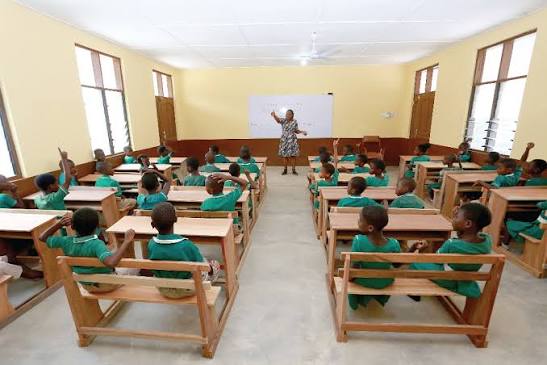
A lesson can be well planned, the teaching materials can be excellent, and the curriculum can be carefully followed—but without effective classroom management, meaningful learning becomes difficult. Disruptions, lack of engagement, and poor organization can prevent learners from achieving their full potential.
The good news is that classroom management is not about being overly strict or controlling every aspect of the classroom. Instead, it involves creating a positive learning environment where learners feel respected, motivated, and responsible for their behaviour. Whether you are a newly qualified teacher or an experienced educator in Ghana, improving your classroom management skills can significantly enhance learner participation and academic achievement.
This comprehensive guide explores practical classroom management techniques that improve learning outcomes, strengthen teacher confidence, and create an environment where every learner has the opportunity to succeed.
What Is Classroom Management?
Classroom management refers to the strategies, routines, and practices teachers use to create an orderly, respectful, and productive learning environment.
Effective classroom management goes beyond handling disruptive behaviour. It includes planning lessons carefully, organizing learning resources, building positive relationships, encouraging learner participation, and maintaining a classroom culture that supports learning.
In our experience, teachers who focus on prevention rather than punishment often create calmer classrooms where learners are more willing to participate and take responsibility for their actions.
Why Classroom Management Matters
A well-managed classroom benefits both teachers and learners.
Some key advantages include:
- Increases learner engagement.
- Reduces classroom disruptions.
- Improves academic performance.
- Encourages positive behaviour.
- Creates a safe learning environment.
- Builds learner confidence.
- Supports inclusive education.
- Reduces teacher stress.
- Maximizes instructional time.
When learners know what is expected of them, they spend less time dealing with confusion and more time learning.
Characteristics of an Effective Learning Environment
Successful classrooms usually share several important qualities.
They are:
- Organized.
- Respectful.
- Inclusive.
- Learner-centred.
- Safe and welcoming.
- Well-structured.
- Positive and encouraging.
- Focused on learning.
Creating such an environment requires consistent effort rather than occasional discipline.
Establish Clear Classroom Expectations
One of the most effective classroom management techniques is establishing clear expectations from the beginning of the school term.
Learners should understand:
- How to enter the classroom.
- When to ask questions.
- How to participate in discussions.
- Expectations during group work.
- Procedures for submitting assignments.
- Behaviour during assessments.
Simple, consistent routines reduce uncertainty and improve classroom order.
Develop Classroom Rules Together
Instead of imposing numerous rules, involve learners in creating classroom expectations.
When learners contribute to classroom rules, they are more likely to take ownership of them.
Examples of classroom rules include:
- Respect everyone.
- Listen when others are speaking.
- Raise your hand before contributing.
- Keep the classroom clean.
- Complete assignments on time.
- Take care of learning materials.
Limit rules to a manageable number so learners can remember them easily.
Build Positive Relationships with Learners
Strong teacher-learner relationships are among the most effective classroom management tools.
Take time to:
- Learn learners’ names.
- Listen to their concerns.
- Show empathy.
- Encourage effort.
- Celebrate improvement.
- Treat every learner fairly.
When learners feel respected, they are generally more willing to cooperate and participate actively.
Plan Engaging Lessons
Many classroom behaviour problems begin when learners become bored or confused.
Well-planned lessons keep learners actively involved through varied activities.
When testing different instructional approaches, lessons that included discussions, demonstrations, games, and collaborative tasks consistently generated greater learner participation than lessons based entirely on lectures.
Use Positive Reinforcement
Positive reinforcement encourages learners to repeat desirable behaviours.
Rather than focusing only on mistakes, recognize positive actions such as:
- Completing assignments.
- Participating in discussions.
- Helping classmates.
- Following classroom procedures.
- Showing respect.
Recognition does not always require prizes.
Simple praise such as “Excellent effort” or “Well done” can motivate learners significantly.
Establish Consistent Routines
Daily routines help learners know what to expect.
Examples include routines for:
- Attendance.
- Beginning lessons.
- Group activities.
- Distribution of learning materials.
- Classroom transitions.
- Homework submission.
- End-of-day reflection.
Consistent routines reduce wasted instructional time.
Arrange the Classroom Effectively
The physical learning environment influences learner behaviour.
Consider:
- Clear walkways.
- Comfortable seating arrangements.
- Easy access to teaching materials.
- Visibility of the board.
- Group seating for collaborative activities where appropriate.
An organized classroom minimizes distractions and supports learning.
Encourage Active Learning
Learners remain focused when they participate actively.
Effective activities include:
- Group discussions.
- Role plays.
- Problem-solving tasks.
- Demonstrations.
- Educational games.
- Peer teaching.
- Practical investigations.
Active participation increases both engagement and understanding.
Manage Transitions Smoothly
Transitions between activities often create opportunities for distractions.
Plan transitions carefully by:
- Giving clear instructions.
- Preparing materials beforehand.
- Using simple signals.
- Limiting unnecessary movement.
Efficient transitions help maintain lesson momentum.
Address Misbehaviour Calmly
Disruptive behaviour should be handled professionally.
Avoid reacting emotionally.
Instead:
- Remain calm.
- Address behaviour privately where appropriate.
- Explain expectations clearly.
- Apply classroom rules consistently.
- Focus on correcting behaviour rather than embarrassing learners.
Respectful correction maintains positive teacher-learner relationships.
Differentiate Instruction
Every classroom contains learners with different abilities, interests, and learning styles.
Effective teachers adapt instruction by:
- Providing varied activities.
- Offering additional support where needed.
- Using multiple teaching methods.
- Adjusting learning tasks appropriately.
Inclusive teaching reduces frustration and encourages participation.
Improve Communication Skills
Clear communication prevents many classroom misunderstandings.
Teachers should:
- Give simple instructions.
- Check learner understanding.
- Encourage questions.
- Listen actively.
- Speak respectfully.
Effective communication builds trust and cooperation.
Monitor Learner Progress Regularly
Continuous assessment helps teachers identify learners who need additional support.
Assessment methods may include:
- Observation.
- Oral questioning.
- Quizzes.
- Practical activities.
- Class discussions.
- Homework.
Regular feedback helps learners improve while keeping them engaged.
Encourage Learner Responsibility
Teachers should gradually help learners become responsible for their own behaviour and learning.
Encourage learners to:
- Set learning goals.
- Monitor their progress.
- Complete assignments independently.
- Respect classroom rules.
- Support classmates.
Responsibility promotes maturity and self-discipline.
Collaborate with Parents and Guardians
Positive communication with parents strengthens learner development.
Share information about:
- Academic progress.
- Attendance.
- Behaviour.
- Areas requiring improvement.
- Achievements.
Strong school-home partnerships often contribute to better learner outcomes.
Use Technology Wisely
Technology can improve both classroom management and instruction.
Useful tools may include:
- Educational videos.
- Interactive presentations.
- Learning management platforms.
- Digital assessments.
- Classroom timers.
- Educational applications.
Technology should support learning rather than distract from it.
Common Classroom Management Mistakes
Many teachers unintentionally create management challenges through avoidable mistakes.
These include:
- Inconsistent enforcement of rules.
- Poor lesson preparation.
- Giving unclear instructions.
- Talking for long periods without learner participation.
- Ignoring positive behaviour.
- Reacting emotionally to disruptions.
- Using the same teaching method every lesson.
- Failing to build relationships with learners.
Recognizing these mistakes is the first step toward improvement.
Practical Tips for New Teachers
Beginning teachers often face classroom management challenges during their first years.
The following strategies can help:
- Learn learners’ names quickly.
- Establish routines during the first week.
- Plan every lesson carefully.
- Keep instructions short and clear.
- Move around the classroom regularly.
- Address small issues before they become larger problems.
- Remain patient and consistent.
- Reflect after every lesson.
- Seek advice from experienced colleagues.
- Celebrate learner progress regularly.
Confidence develops gradually through experience and continuous reflection.
The Connection Between Classroom Management and Learning Outcome
Effective classroom management directly influences academic achievement.
Well-managed classrooms provide:
- More instructional time.
- Better learner concentration.
- Increased participation.
- Higher motivation.
- Improved collaboration.
- Greater learner confidence.
- Stronger teacher-learner relationships.
These factors create conditions where meaningful learning can take place consistently.
Final Thoughts
Classroom management is one of the most important skills every teacher can develop. It is not about maintaining silence through fear or strict discipline but about creating an environment where learners feel safe, respected, motivated, and ready to learn. By establishing clear expectations, building positive relationships, planning engaging lessons, and responding calmly to challenges, teachers can transform their classrooms into spaces that promote academic success and personal growth.
Remember that effective classroom management is a continuous learning process. Every class is different, and no single strategy works in every situation. Reflect on your experiences, adapt your approaches, and remain committed to creating a positive learning environment where every learner has the opportunity to thrive.
Frequently Asked Questions (FAQs)
What is classroom management?
Classroom management refers to the strategies teachers use to organize the classroom, maintain positive behaviour, establish routines, and create an environment that supports effective teaching and learning.
Why is classroom management important?
Effective classroom management minimizes disruptions, increases learner engagement, improves academic performance, strengthens teacher-learner relationships, and maximizes instructional time.
How can teachers improve classroom management?
Teachers can improve classroom management by setting clear expectations, building positive relationships, planning engaging lessons, using consistent routines, applying positive reinforcement, monitoring learner progress, and communicating effectively with learners and parents.
What is the best classroom management strategy for new teachers?
There is no single best strategy, but new teachers often succeed by establishing classroom routines early, maintaining consistency, preparing lessons thoroughly, encouraging active learner participation, and responding to behavioural challenges calmly and fairly.