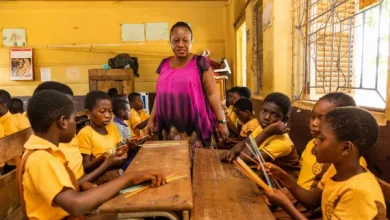
Effective Reading Strategies for Primary School Pupils: A Practical Guide for Teachers and Parents in Ghana


Reading is one of the most important skills every child should develop during primary school. Yet many pupils struggle to read fluently, understand what they have read, or enjoy reading. This challenge often affects performance in every subject because reading is the foundation of learning.
The good news is that children can become confident readers when teachers and parents use the right strategies consistently. This guide explores practical reading techniques that work well in Ghanaian primary schools, explains how to support struggling readers, and provides simple activities that make reading enjoyable.
Why Reading Skills Matter in Primary School
Reading is more than saying words aloud. A good reader understands ideas, connects information, asks questions, and remembers important details.
Strong reading skills help pupils to:
- Improve performance in all school subjects.
- Build a richer vocabulary.
- Develop confidence in speaking and writing.
- Think critically and solve problems.
- Become independent learners.
In our experience working with primary learners, pupils who read regularly often participate more actively during lessons and complete assignments with greater confidence.
Common Reading Challenges Among Primary School Pupils
Before choosing a reading strategy, teachers should understand why some pupils struggle.
Some common challenges include:
- Limited vocabulary.
- Lack of reading materials at home.
- Poor phonics knowledge.
- Fear of making mistakes while reading aloud.
- Little encouragement from adults.
- Learning English as a second language.
Recognising these challenges allows teachers to provide appropriate support instead of assuming that a pupil is lazy or uninterested.
Strategy 1: Teach Phonics Systematically
Phonics teaches children the relationship between letters and sounds. It forms the foundation of early reading.
Instead of asking pupils to memorise words, teach them how sounds combine to form words.
For example:
- c + a + t = cat
- b + a + g = bag
- sh + i + p = ship
Useful classroom activities include:
- Sound matching games
- Letter cards
- Word-building exercises
- Rhyming activities
When testing this method in lower primary classrooms, pupils often become more confident because they can decode unfamiliar words independently.
Strategy 2: Read Aloud Every Day
Reading aloud exposes children to correct pronunciation, expression, and sentence patterns.
Teachers should:
- Read slowly and clearly.
- Change voice tones for different characters.
- Pause to ask questions.
- Explain unfamiliar words naturally.
A daily ten-minute read-aloud session can significantly improve listening and comprehension skills.
Strategy 3: Encourage Guided Reading
Guided reading involves teaching small groups of pupils according to their reading ability.
During guided reading:
- Choose an appropriate text.
- Introduce difficult vocabulary.
- Allow pupils to read sections.
- Ask comprehension questions.
- Correct mistakes gently.
Small-group instruction allows teachers to provide immediate feedback and individual support.
Strategy 4: Build Vocabulary Every Day
Children understand texts better when they know the meanings of important words.
Teachers can introduce five to ten new words each week.
For each word:
- Explain the meaning.
- Use it in a sentence.
- Ask pupils to create their own sentence.
- Display it on a classroom word wall.
Example:
Word: Harvest
Meaning: Gathering crops from the farm.
Sentence: Farmers harvest maize during the farming season.
Consistent vocabulary practice strengthens reading comprehension.
Strategy 5: Ask Questions Before, During, and After Reading
Good readers think while reading.
Encourage pupils to answer questions such as:
Before Reading
- What do you think this story is about?
- What do you already know about this topic?
During Reading
- Why did the character make that decision?
- What do you think will happen next?
After Reading
- What lesson did you learn?
- Which part did you enjoy most?
- Can you summarise the story?
These questions develop critical thinking instead of simple memorisation.
Strategy 6: Use Pictures to Support Understanding
Young learners understand stories more easily when pictures accompany the text.
Teachers can ask:
- What do you see?
- What is happening?
- Who are the people?
- Where is the story taking place?
Pictures encourage prediction and improve comprehension before pupils even begin reading.
Strategy 7: Promote Repeated Reading
Repeated reading improves:
- Fluency
- Accuracy
- Confidence
- Speed
Ask pupils to read the same passage several times over a few days.
Each reading becomes smoother as children become familiar with the words.
Strategy 8: Create a Reading Culture
Children learn to enjoy reading when it becomes part of everyday life.
Schools can promote reading by:
- Establishing classroom libraries.
- Organising reading competitions.
- Celebrating Reading Week.
- Creating book clubs.
- Rewarding consistent readers.
Parents can also support by setting aside daily reading time at home.
Strategy 9: Teach Reading Comprehension Explicitly
Many pupils can pronounce words correctly but fail to understand the message.
Teach comprehension strategies such as:
Summarising
Ask pupils to explain the main idea in their own words.
Predicting
Encourage them to guess what may happen next.
Visualising
Ask pupils to imagine scenes while reading.
Making Connections
Help them relate stories to personal experiences or community life.
These strategies deepen understanding and improve long-term retention.
Strategy 10: Make Reading Fun Through Games
Children enjoy learning when lessons are interactive.
Effective reading games include:
- Word bingo
- Story sequencing
- Crossword puzzles
- Alphabet races
- Vocabulary matching
- Reading relays
Learning through play keeps pupils engaged while reinforcing essential reading skills.
The Role of Parents in Improving Reading Skills
Parents have a powerful influence on children’s reading habits.
Simple ways parents can help include:
- Reading with children every evening.
- Providing storybooks.
- Asking children to retell stories.
- Visiting community libraries.
- Praising reading efforts instead of focusing only on mistakes.
Even parents with limited English proficiency can encourage reading by discussing stories in the child’s local language before connecting them to English vocabulary.
Supporting Struggling Readers
Some pupils require additional support beyond regular classroom instruction.
Teachers should:
- Identify reading difficulties early.
- Give one-on-one assistance.
- Break reading into smaller sections.
- Use simple texts before introducing complex ones.
- Celebrate small improvements.
Avoid embarrassing pupils who struggle to read aloud. Encouragement builds confidence, while criticism often creates fear and anxiety.
Digital Tools That Can Support Reading
Technology can complement traditional teaching methods when used appropriately.
Helpful tools include:
- Interactive storybooks
- Educational reading apps
- Audio books
- Phonics learning games
- Digital dictionaries
Teachers should ensure that technology supports learning objectives rather than replacing active teacher guidance.
Practical Classroom Reading Routine
An effective daily reading lesson may follow this sequence:
- Review previously learned sounds or vocabulary.
- Introduce today’s reading objective.
- Discuss pictures and predictions.
- Read the passage together.
- Allow independent or paired reading.
- Ask comprehension questions.
- Summarise the lesson.
- Assign a simple follow-up activity.
This structured routine keeps pupils engaged while building multiple reading skills simultaneously.
Assessing Pupils’ Reading Progress
Assessment should be continuous rather than limited to examinations.
Teachers can monitor progress by observing:
- Reading fluency
- Pronunciation
- Vocabulary growth
- Comprehension
- Confidence during oral reading
- Ability to summarise texts
Keeping simple reading records helps teachers identify pupils who need additional support.
Tips for Teachers Working in Large Classrooms
Large class sizes are common in many Ghanaian schools, but effective reading instruction is still possible.
Consider these practical approaches:
- Pair stronger readers with developing readers.
- Rotate guided reading groups throughout the week.
- Use choral reading to involve the whole class.
- Prepare reusable flashcards and word charts.
- Encourage peer discussions after reading.
These techniques allow more pupils to participate without placing all responsibility on the teacher.
Conclusion
Helping primary school pupils become confident readers requires patience, consistency, and purposeful teaching. Reading improves when children are exposed to engaging books, supportive teachers, encouraging parents, and activities that make learning enjoyable.
Every pupil progresses at a different pace. By combining phonics instruction, guided reading, vocabulary development, comprehension strategies, and regular practice, teachers and parents can help children build lifelong reading habits that support success in school and beyond.
Frequently Asked Questions
What is the best reading strategy for primary school pupils?
The most effective approach combines systematic phonics instruction, guided reading, vocabulary development, repeated reading, and comprehension activities. No single strategy works for every child, so teachers should adapt methods to pupils’ learning needs.
How can parents improve their child’s reading skills at home?
Parents can read with their children daily, provide age-appropriate books, ask simple questions about stories, encourage storytelling, and create a quiet, regular reading routine. Consistent encouragement often makes a significant difference.
Why do some primary school pupils struggle with reading?
Common reasons include limited vocabulary, weak phonics knowledge, insufficient reading practice, lack of access to books, low confidence, and learning English as a second language. Early identification and targeted support can help pupils overcome these challenges.
How often should primary school pupils practise reading?
Daily practice is ideal. Even 15 to 20 minutes of focused reading each day can improve fluency, comprehension, vocabulary, and confidence over time.