Understanding Inclusive Education in Ghana: A Complete Guide for Teachers, Parents, and Students

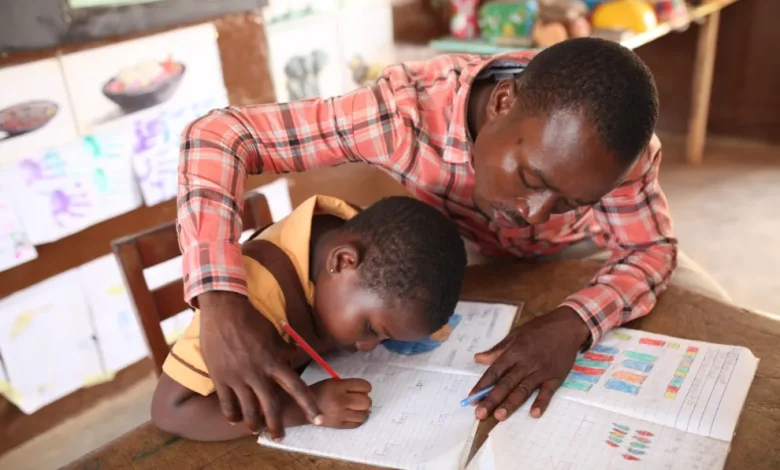
In Ghana and even the world as a whole, every child deserves the opportunity to learn, participate, and thrive in school regardless of their abilities, background, language, or personal circumstances. Yet many teachers and parents still wonder what inclusive education truly means and how it works in Ghanaian classrooms. Some believe it only applies to learners with disabilities, while others worry they lack the skills or resources to implement it effectively.
The reality is that inclusive education benefits every learner. It creates classrooms where differences are respected, barriers to learning are reduced, and every child has the chance to reach their full potential. Whether you are a teacher planning lessons under Ghana’s Standard-Based Curriculum (SBC), a parent supporting your child’s education, or a student interested in understanding educational equality, this guide explains the principles, benefits, challenges, and practical strategies for making inclusive education successful in Ghana.
What Is Inclusive Education?
Inclusive education is an approach that ensures all learners study together in the same learning environment, regardless of disability, gender, language, ethnicity, religion, socioeconomic background, or learning ability. Instead of separating learners because of their differences, schools adapt teaching methods, learning materials, and classroom environments to meet diverse needs.
Inclusive education is based on the belief that diversity strengthens learning. Every learner contributes unique experiences, perspectives, and talents that enrich the classroom.
In our experience working with teachers, classrooms become more welcoming and collaborative when inclusion is treated as a daily teaching practice rather than a special programme for a few learners.
Why Inclusive Education Matters in Ghana
Ghana has made significant progress in promoting equal access to quality education. Inclusive education supports the national goal of ensuring that no child is left behind because of physical, intellectual, social, or economic barriers.
Many Ghanaian classrooms include learners with different learning styles, abilities, and backgrounds. Effective teaching therefore requires flexibility and a commitment to meeting these diverse needs.
Inclusive education helps schools:
- Improve access to education for all learners.
- Reduce discrimination and stigma.
- Promote equal learning opportunities.
- Encourage respect for diversity.
- Build stronger school communities.
- Prepare learners for life in a diverse society.
Principles of Inclusive Education
Understanding the core principles helps teachers implement inclusion more effectively.
Equal Access
Every child should have the opportunity to attend school and participate fully in classroom activities.
Participation
Learners should actively engage in lessons, discussions, group work, sports, and extracurricular activities.
Equity
Equity does not mean treating every learner exactly the same. It means providing the support each learner needs to succeed.
Respect for Diversity
Differences should be recognised as strengths rather than limitations.
Collaboration
Successful inclusion depends on cooperation among teachers, parents, school leaders, learners, and support professionals.
Who Benefits from Inclusive Education?
Many people assume inclusive education only benefits children with disabilities.
In reality, it supports every learner.
Learners with Disabilities
They gain greater access to quality education, social interaction, and meaningful participation.
Learners Without Disabilities
They develop empathy, teamwork, communication skills, and respect for diversity.
Teachers
Teachers improve their instructional strategies and become more responsive to individual learning needs.
Parents
Parents become active partners in their children’s education and strengthen communication with schools.
Society
Inclusive education promotes equality, social cohesion, and national development.
Common Barriers to Inclusive Education in Ghana
Although progress continues, several challenges still affect implementation.
Limited Teaching Resources
Some schools lack assistive devices, adapted learning materials, and specialised equipment.
Large Class Sizes
Managing diverse learning needs becomes more difficult when one teacher handles many learners.
Inadequate Teacher Training
Some educators have limited opportunities to receive specialised training in inclusive teaching practices.
Negative Attitudes
Misconceptions about disability and learning differences sometimes create barriers for learners.
Infrastructure Challenges
Not every school has ramps, accessible toilets, or classrooms designed for learners with physical disabilities.
Recognising these barriers allows schools to develop practical solutions rather than becoming discouraged.
Characteristics of an Inclusive Classroom
An inclusive classroom is more than simply placing different learners together.
It demonstrates intentional practices that ensure everyone can participate.
Key characteristics include:
- Respectful relationships.
- Flexible teaching methods.
- Accessible learning materials.
- Positive classroom culture.
- Active learner participation.
- Individual support when needed.
- Fair assessment practices.
Every learner should feel valued and capable of contributing.
Practical Strategies for Teachers
Teachers play the central role in making inclusion successful.
The following strategies have proven effective in many classrooms.
1. Know Your Learners
Take time to understand each learner’s strengths, interests, challenges, and preferred learning styles.
Simple observations and conversations with parents provide valuable information.
2. Differentiate Instruction
Not every learner learns at the same pace.
Adjust teaching by varying:
- Learning activities.
- Teaching materials.
- Assessment methods.
- Levels of support.
- Grouping arrangements.
Differentiation helps all learners remain engaged without lowering academic expectations.
3. Use Multiple Teaching Methods
Relying on only one instructional method limits learning opportunities.
Combine:
- Demonstrations.
- Discussions.
- Storytelling.
- Group activities.
- Practical exercises.
- Educational games.
- Visual aids.
When testing different instructional approaches, many teachers notice improved participation from learners who struggle with traditional lectures.
4. Encourage Cooperative Learning
Group work encourages learners to support one another.
Carefully organised mixed-ability groups allow learners to share ideas, solve problems together, and build social skills.
5. Use Positive Language
Words shape classroom culture.
Instead of focusing on limitations, recognise learners’ abilities and progress.
Positive encouragement builds confidence and motivates continued effort.
Adapting the Learning Environment
Small adjustments often make a significant difference.
Teachers can:
- Arrange seating for easier movement.
- Ensure clear visibility of the board.
- Minimise classroom distractions.
- Display visual learning materials.
- Provide additional time when necessary.
These adaptations benefit many learners, not only those with identified disabilities.
Inclusive Assessment Practices
Assessment should measure learning fairly while recognising individual differences.
Teachers can improve assessment by:
- Using varied assessment methods.
- Allowing oral responses where appropriate.
- Providing practical tasks.
- Offering additional time when justified.
- Giving constructive feedback.
Under Ghana’s Standard-Based Curriculum, continuous assessment provides opportunities to evaluate learners using multiple approaches rather than relying solely on examinations.
Building Strong Partnerships with Parents
Parents possess valuable knowledge about their children’s learning needs.
Regular communication helps teachers understand how to provide better support.
Effective collaboration includes:
- Parent-teacher meetings.
- Progress updates.
- Home learning suggestions.
- Early discussions about concerns.
- Celebrating learner achievements.
In our experience, learners make greater progress when schools and families work together consistently.
Promoting Inclusion Among Learners
Creating an inclusive classroom also involves teaching learners how to respect one another.
Teachers can encourage inclusion by:
- Promoting kindness and empathy.
- Addressing bullying immediately.
- Celebrating cultural diversity.
- Encouraging teamwork.
- Teaching conflict resolution skills.
Children often model the respectful behaviour demonstrated by adults.
The Role of School Leaders
Headteachers and school administrators contribute significantly to successful inclusion.
They can support teachers by:
- Organising professional development.
- Providing teaching resources.
- Promoting inclusive school policies.
- Encouraging collaboration.
- Monitoring learner welfare.
Strong leadership creates an environment where inclusive practices can flourish.
How Technology Supports Inclusive Education
Digital tools are expanding opportunities for inclusive learning.
Teachers can use technology to:
- Display educational videos.
- Provide audio learning materials.
- Use interactive presentations.
- Create digital quizzes.
- Access differentiated learning resources.
Technology should complement effective teaching rather than replace personal interaction.
Common Misconceptions About Inclusive Education
Several myths continue to discourage implementation.
Myth 1: Inclusive education only serves learners with disabilities.
Reality: Every learner benefits from inclusive teaching practices.
Myth 2: Inclusion lowers academic standards.
Reality: Effective inclusion maintains high expectations while providing appropriate support.
Myth 3: Teachers need expensive equipment.
Reality: Many inclusive strategies involve simple changes to teaching methods, communication, and classroom organisation.
Myth 4: Inclusive education is the responsibility of special educators alone.
Reality: Every teacher has a role in creating an inclusive learning environment.
Practical Steps Schools Can Take
Schools do not need to transform overnight.
They can begin by:
- Training teachers in inclusive practices.
- Improving classroom accessibility.
- Strengthening partnerships with parents.
- Promoting positive attitudes toward diversity.
- Reviewing school policies to remove barriers.
- Encouraging peer support programmes.
- Monitoring learner progress regularly.
Gradual improvements often produce sustainable long-term results.
Looking Ahead
Inclusive education continues to evolve as Ghana strengthens access to quality education for all learners. The Standard-Based Curriculum encourages learner-centred teaching, continuous assessment, and differentiated instruction, all of which support inclusive classroom practices.
As awareness grows and more teachers receive professional development, schools will be better positioned to provide learning environments where every child feels welcomed, respected, and empowered to succeed.
Inclusive education is more than an educational policy—it is a commitment to ensuring that every learner has the opportunity to participate, learn, and achieve. By recognising individual differences, adapting teaching methods, and fostering respectful classroom relationships, teachers can create environments where all children feel valued and capable of reaching their full potential.
Although challenges such as limited resources and large class sizes remain, meaningful progress is possible through collaboration, continuous professional learning, and thoughtful classroom practices. Every step toward inclusion helps build stronger schools, more confident learners, and a more equitable education system for Ghana.
Frequently Asked Questions (FAQs)
What is inclusive education in Ghana?
Inclusive education in Ghana is an approach that ensures all learners, regardless of disability, learning ability, gender, language, or background, learn together in supportive and accessible school environments where their individual needs are respected.
Why is inclusive education important?
Inclusive education promotes equal learning opportunities, reduces discrimination, encourages respect for diversity, improves learner participation, and helps every child develop academically, socially, and emotionally.
How can teachers support inclusive education in the classroom?
Teachers can support inclusion by differentiating instruction, using varied teaching methods, creating positive classroom environments, adapting learning materials, encouraging cooperative learning, and working closely with parents.
Does inclusive education benefit learners without disabilities?
Yes. Inclusive education helps all learners develop empathy, communication skills, teamwork, respect for diversity, and the ability to work effectively with people from different backgrounds and abilities.