
Career Opportunities in the Education Sector in Ghana: A Complete Guide for Teachers and Students

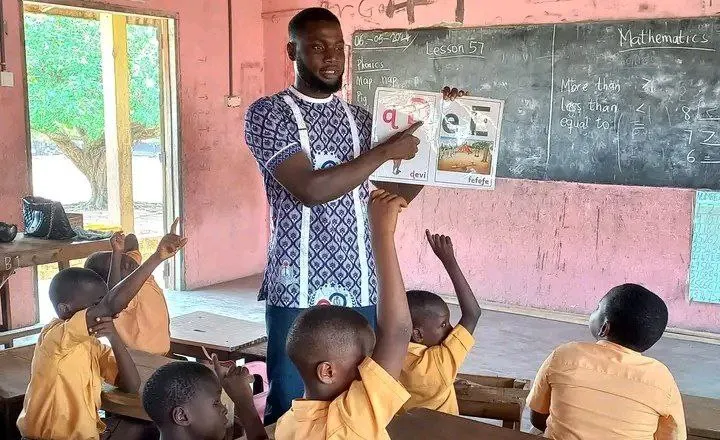
In Ghana many people associate the education sector with classroom teaching alone and it shouldn’t be that. While teaching remains one of the most important professions, the sector offers a wide range of rewarding career paths for individuals with different talents, qualifications, and interests. Whether you enjoy working directly with learners, managing educational institutions, developing policies, conducting research, or using technology to improve learning, there are numerous opportunities to build a meaningful career.
It is quiet obvious that students often struggle to choose the right career because they are unaware of the options available after completing their education. Likewise, many teachers seek career advancement but do not know the pathways available within and beyond the classroom.
In our experience working with educational content and analyzing career trends, successful professionals are those who understand the range of opportunities available and deliberately prepare themselves with the right qualifications and skills. This guide explores the major career opportunities in Ghana’s education sector, the qualifications required, essential skills, career progression, and practical tips for building a successful future. Paying attention and reading this article will indeed help you get detailed career opportunities in the education sector in Ghana
Why Choose a Career in Education?
A career in education is about more than earning a salary. It provides an opportunity to shape future generations, contribute to national development, and make a lasting impact on society.
Some benefits of working in the education sector include:
- Opportunities for continuous professional development.
- Stable career progression in many institutions.
- The chance to inspire and mentor young people.
- Diverse career paths beyond classroom teaching.
- Opportunities to contribute to educational reforms and innovation.
- Increasing demand for qualified education professionals.
For individuals who enjoy helping others learn and grow, education offers both personal satisfaction and long-term career prospects.
Skills Needed to Succeed in the Education Sector
Regardless of the career path you choose, certain skills are highly valued.
These include:
- Strong communication skills.
- Leadership and teamwork.
- Critical thinking and problem-solving.
- Digital literacy.
- Time management.
- Adaptability.
- Research and analytical skills.
- Professional ethics.
- Emotional intelligence.
Developing these skills alongside academic qualifications improves employability and career advancement.
Teaching Careers in Ghana
Teaching remains one of the largest employment areas within the education sector.
Basic School Teacher
Basic school teachers educate learners at the kindergarten, primary, and junior high school levels.
Typical responsibilities include:
- Preparing lesson plans.
- Delivering classroom instruction.
- Assessing learners.
- Managing classrooms.
- Supporting learners’ personal development.
- Communicating with parents and guardians.
Most teachers in public basic schools are employed through the Ghana Education Service (GES).
Senior High School Teacher
Senior High School teachers specialize in specific subject areas and prepare students for higher education or vocational pathways.
Subject expertise, effective classroom management, and continuous professional development are essential for success in this role.
Technical and Vocational Education Teacher
Technical and vocational institutions require instructors with practical industry experience in areas such as:
- Electrical installation.
- Building technology.
- Automotive engineering.
- Fashion design.
- Catering.
- Welding.
- ICT.
These teachers combine theoretical instruction with practical skills training.
Special Education Teacher
Special education professionals work with learners who have disabilities or additional learning needs.
They adapt teaching strategies to support learners with:
- Visual impairment.
- Hearing impairment.
- Physical disabilities.
- Learning difficulties.
- Autism spectrum disorders.
As inclusive education continues to expand in Ghana, demand for trained special education teachers is increasing.
School Leadership and Administration
Not every education professional remains in the classroom teaching throughout their career.
Headteacher or Headmaster
School heads oversee the daily administration of educational institutions.
Their responsibilities include:
- Supervising teachers.
- Managing school finances.
- Improving academic performance.
- Maintaining discipline.
- Building relationships with parents and communities.
Leadership experience and strong management skills are important for this position.
Assistant Headteacher
Assistant heads support school leaders in managing academic programmes, staff supervision, and administrative duties.
This role often serves as preparation for future leadership positions.
School Administrator
Private schools frequently employ administrators who coordinate admissions, records management, scheduling, communication, and operational activities.
Educational Guidance and Student Support Careers
Students often need support beyond classroom instruction.
Guidance and Counselling Coordinator
Guidance professionals help students with:
- Academic planning.
- Career selection.
- Personal development.
- Emotional wellbeing.
- University applications.
Teachers interested in counselling can pursue additional professional training in guidance and counselling.
School Psychologist
Although relatively limited in number, school psychologists support learners facing behavioural, emotional, or developmental challenges.
They work closely with teachers, parents, and administrators to improve learning outcomes.
Curriculum Development and Educational Research
Education systems constantly evolve, creating opportunities for specialists who design and evaluate learning materials.
Curriculum Developer
Curriculum developers design educational programmes, teaching materials, and learning standards.
Their work involves:
- Reviewing curriculum content.
- Conducting research.
- Consulting teachers.
- Evaluating educational effectiveness.
- Updating instructional resources.
Professionals in this field often have backgrounds in education, curriculum studies, or educational psychology.
Educational Researcher
Researchers investigate teaching methods, learner performance, educational policies, and school improvement strategies.
Research findings help shape national education reforms and institutional decision-making.
Careers in Educational Technology
Technology has transformed teaching and learning across Ghana.
This growth has created demand for professionals who combine education with digital skills.
Examples include:
- E-learning specialist.
- Instructional designer.
- Learning management system administrator.
- Educational software trainer.
- Digital content developer.
- Online course designer.
When supporting schools that adopt digital learning tools, one lesson becomes clear: professionals who understand both technology and teaching are increasingly valuable.
Teacher Education and Higher Education Careers
Experienced educators may choose to train future teachers.
Teacher Training College Tutor
Tutors prepare student teachers through lectures, practical teaching supervision, and educational research.
A postgraduate qualification is often required.
University Lecturer
University lecturers teach undergraduate and postgraduate students while conducting research in their fields of specialization.
Academic careers usually require master’s or doctoral qualifications depending on institutional requirements.
Educational Policy and Government Careers
Several public institutions employ education professionals to support national development.
Career opportunities exist in areas such as:
- Educational planning.
- Quality assurance.
- School inspection.
- Assessment and examinations.
- Teacher professional development.
- Policy analysis.
- Educational statistics.
Professionals in these roles contribute to improving the quality of education nationwide.
Careers in Private Educational Institutions
The private education sector continues to grow rapidly.
Employment opportunities include:
- Academic coordinator.
- Admissions officer.
- School marketing officer.
- Examination coordinator.
- Human resource officer.
- Quality assurance manager.
These positions combine educational knowledge with management and administrative skills.
Entrepreneurship in Education
Some professionals create their own opportunities rather than seeking employment.
Examples include:
- Establishing private schools.
- Opening early childhood centres.
- Running tutorial centres.
- Providing online tutoring.
- Publishing educational materials.
- Developing educational mobile applications.
- Offering teacher training workshops.
Entrepreneurship allows educators to address learning needs while building sustainable businesses.
Qualifications Required
Different careers require different educational backgrounds.
Common qualifications include:
- Diploma in Basic Education.
- Bachelor of Education.
- Bachelor of Science or Arts with a Postgraduate Diploma in Education.
- Master’s degree.
- Doctoral degree for academic careers.
- Professional certifications.
- Continuous Professional Development (CPD) participation.
Always verify specific entry requirements before pursuing a career path.
How to Prepare for a Career in Education
Preparation should begin before graduation.
Follow these practical steps:
1. Build Strong Academic Foundations
Maintain good academic performance and develop subject expertise.
2. Gain Practical Experience
Participate in internships, teaching practice, volunteer work, or educational projects.
Practical experience strengthens your CV and develops confidence.
3. Improve Digital Skills
Become comfortable using:
- Word processing software.
- Presentation tools.
- Learning management systems.
- Educational technology platforms.
- Online collaboration tools.
Digital competence has become essential across nearly every education career.
4. Continue Learning
Attend workshops, seminars, and professional development programmes.
Learning should continue throughout your career.
5. Build Professional Networks
Join teacher associations, educational conferences, and professional communities.
Networking often leads to mentorship and employment opportunities.
Common Challenges in Education Careers
Every profession has challenges.
Education professionals may experience:
- Heavy workloads.
- Administrative responsibilities.
- Resource limitations.
- Changing educational policies.
- Classroom management difficulties.
- Balancing work and professional development.
However, continuous learning, resilience, and collaboration help professionals overcome these challenges.
Future Career Trends in Ghana’s Education Sector
The education landscape continues to evolve.
Emerging opportunities include:
- Online education.
- Artificial intelligence in learning.
- Educational data analysis.
- Inclusive education.
- Digital curriculum development.
- STEM education.
- Educational leadership.
- Skills-based training.
Professionals who embrace innovation will be better positioned for future career growth.
Conclusion
The education sector in Ghana offers far more opportunities than many students and teachers realize. From classroom teaching and school leadership to educational technology, curriculum development, research, counselling, and entrepreneurship, there are career paths suited to a wide range of interests and abilities.
Success in this sector requires continuous learning, professional integrity, and a willingness to adapt to changing educational needs. By building the right qualifications, developing essential skills, and gaining practical experience, Ghanaian students and teachers can create rewarding careers that contribute meaningfully to national development and improve the lives of future generations. Kindly check below frequently asked questions to help you even if you couldn’t ask questions at the comment section.
Frequently Asked Questions
What careers are available in Ghana’s education sector?
Career opportunities include classroom teaching, school leadership, curriculum development, educational research, guidance and counselling, educational technology, university lecturing, teacher training, policy development, and education entrepreneurship.
What qualifications do I need to become a teacher in Ghana?
Requirements vary depending on the level of education. Common qualifications include a Diploma in Basic Education, a Bachelor of Education, or other approved teaching qualifications recognized by the Ghana Education Service or relevant institutions.
Can education graduates work outside the classroom?
Yes. Education graduates can pursue careers in administration, curriculum design, educational technology, quality assurance, research, publishing, human resource development, and educational consulting, among many others.
How can students prepare for a successful career in education?
Students should focus on academic excellence, gain practical experience through internships or teaching practice, improve digital literacy, participate in Continuous Professional Development (CPD), and build strong professional networks to enhance their career prospects.