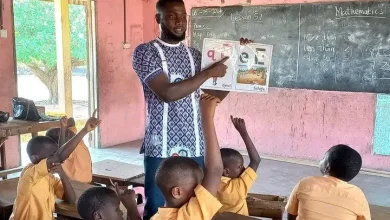


Every parent wants to see their child perform well in school, develop confidence, and build a bright future. Yet many parents wonder whether they are doing enough to support learning, especially when balancing work, family responsibilities, and financial pressures. The good news is that helping a child succeed does not always require expensive resources or advanced education. Small, consistent actions at home can make a remarkable difference.
This guide explains practical ways parents can support their children’s education, strengthen partnerships with teachers, encourage good study habits, and help learners overcome common academic challenges. Whether your child attends a public or private school in Ghana, these strategies can improve both academic performance and personal development.
Why Parents Play a Critical Role in Education
In fact, research consistently shows that children whose parents actively participate in their education tend to achieve better academic results, attend school more regularly, and develop stronger social skills.
In our experience working with teachers and families, students become more motivated when they know their parents value education. Even simple conversations about school can increase a child’s interest in learning.
Parental involvement does not mean completing homework for children. Instead, it means creating the right environment where learning becomes a daily priority.
Create a Positive Learning Environment at Home
A child’s home environment greatly influences learning.
You do not need a large house or expensive furniture to support education. A quiet, clean space with minimal distractions is often enough.
Consider these simple ideas:
- Choose a regular place for homework.
- Keep school materials organised.
- Reduce television and mobile phone distractions during study time.
- Ensure proper lighting for reading.
- Encourage younger siblings to respect study hours.
Consistency helps children develop discipline and concentration.
Establish a Daily Routine
Children perform better when they know what to expect each day.
A structured routine helps reduce stress and improves time management.
A simple after-school schedule may include:
- Time to rest after school.
- Lunch or a healthy snack.
- Homework and revision.
- Household responsibilities.
- Play or physical activity.
- Family time.
- Early bedtime.
Children who sleep well are often more attentive and productive in class.
Encourage Reading Beyond School Textbooks
Reading is one of the strongest predictors of academic success.
Parents can develop reading habits by making books part of everyday life.
Some practical ways include:
- Reading stories together.
- Visiting community libraries.
- Encouraging children to read newspapers.
- Choosing age-appropriate storybooks.
- Discussing what they have read.
When testing this approach with struggling readers, many teachers observe noticeable improvements in vocabulary, comprehension, and confidence within a few months.
Show Genuine Interest in School Activities
Children appreciate knowing that their parents care about their education.
Instead of asking only, “Did you go to school today?” try questions such as:
- What new thing did you learn today?
- Which lesson was your favourite?
- Did anything confuse you today?
- How did your teacher explain today’s topic?
- What made you smile at school?
Meaningful conversations strengthen communication and help parents identify learning difficulties early.
Build a Strong Relationship with Teachers
Teachers and parents share the same goal: helping children succeed.
Regular communication creates opportunities to address challenges before they become serious.
Parents should:
- Attend Parent-Teacher Association (PTA) meetings.
- Participate in school events.
- Respond promptly to teacher concerns.
- Seek clarification whenever academic issues arise.
- Respect teachers’ professional opinions.
Working together creates a supportive network around the learner.
Help with Homework the Right Way
Homework reinforces classroom learning, but parents should avoid completing assignments for their children.
Instead, guide them by:
- Asking questions that encourage thinking.
- Explaining instructions when necessary.
- Providing learning materials.
- Encouraging independent problem-solving.
- Praising effort rather than perfection.
This approach builds confidence and critical thinking skills.
Develop Good Study Habits
Successful students rarely depend solely on last-minute revision.
Parents can help children establish effective study habits by encouraging them to:
- Revise class notes daily.
- Break large tasks into smaller sections.
- Set realistic learning goals.
- Practise difficult subjects regularly.
- Take short breaks during long study sessions.
These habits reduce examination anxiety and improve long-term retention.
Limit Screen Time Wisely
Technology can support learning, but excessive entertainment screen time may reduce academic performance.
Parents should establish reasonable rules for:
- Television viewing.
- Mobile phone use.
- Video games.
- Social media.
- Internet browsing.
Educational videos, online quizzes, and learning applications can be excellent resources when used responsibly.
Teach Responsibility and Self-Discipline
Academic success involves more than high examination scores.
Children should gradually learn responsibility by:
- Packing their own school bags.
- Keeping learning materials organised.
- Completing assignments on time.
- Managing simple household chores.
- Accepting responsibility for mistakes.
These life skills prepare learners for future independence.
Encourage a Positive Attitude Towards Learning
Children often mirror their parents’ attitudes.
Avoid saying things like:
- Mathematics is too difficult.
- I was never good at English.
- School is only about passing exams.
Instead, encourage growth with statements such as:
- Every mistake is an opportunity to learn.
- Practice leads to improvement.
- You can master difficult subjects through persistence.
Positive language builds resilience.
Support Emotional Well-Being
Children cannot learn effectively when they feel anxious, frightened, or emotionally overwhelmed.
Parents should pay attention to changes such as:
- Loss of interest in school.
- Frequent complaints about classmates.
- Sudden decline in academic performance.
- Changes in sleeping habits.
- Withdrawal from family activities.
Listening without judgment helps children feel safe discussing their concerns.
Encourage Regular School Attendance
Every missed lesson creates learning gaps.
Parents should prioritise attendance by:
- Preparing uniforms and books the night before.
- Ensuring children wake up early.
- Avoiding unnecessary absences.
- Scheduling appointments outside school hours whenever possible.
Regular attendance promotes consistency in learning.
Support Learning Without Comparing Children
Every child learns differently.
Comparing siblings or classmates often lowers confidence rather than improving performance.
Instead of saying,
“Your sister always comes first.”
Try,
“I can see you’re improving. Let’s continue working together.”
Celebrating personal progress motivates children to keep learning.
Promote Healthy Living
A healthy body supports an active mind.
Parents should encourage:
- Nutritious meals.
- Adequate drinking water.
- Daily physical activity.
- Proper hygiene.
- Sufficient sleep.
Healthy children are generally more attentive during lessons.
Help Children Set Academic Goals
Goal-setting gives learners direction.
Parents can work with children to create achievable goals such as:
- Improving mathematics scores.
- Reading one book every month.
- Completing homework every day.
- Participating in classroom discussions.
- Improving handwriting.
Review these goals regularly and celebrate progress.
Prepare Children for Examinations Without Pressure
Examinations should measure learning, not create fear.
Parents can reduce exam stress by:
- Beginning revision early.
- Providing encouragement.
- Avoiding unrealistic expectations.
- Ensuring adequate rest.
- Praising consistent effort.
Confidence often grows when preparation becomes a daily habit rather than a last-minute activity.
Common Mistakes Parents Should Avoid
Even well-intentioned parents sometimes make mistakes that affect learning.
Avoid these habits:
- Doing homework for children.
- Criticising teachers in front of children.
- Comparing academic performance.
- Ignoring behavioural changes.
- Focusing only on examination scores.
- Expecting perfection.
- Using punishment as the primary motivation.
Constructive support produces better long-term results than fear.
Practical Tips for Busy Parents
Many Ghanaian parents work long hours, making it difficult to spend extended periods helping with schoolwork.
Even with limited time, you can:
- Spend 15 minutes discussing school each evening.
- Check exercise books weekly.
- Read together before bedtime.
- Attend important school meetings.
- Encourage children every day.
Small but consistent efforts often have a lasting impact.
Final Thoughts
Helping a child succeed in school is not about providing expensive resources or knowing every subject. It is about creating a supportive environment where learning is encouraged, effort is recognised, and communication remains open.
Parents, teachers, and learners each have important responsibilities. When families and schools work together, children develop the confidence, discipline, and skills they need to achieve academic success and become responsible members of society. Every encouraging conversation, every homework check, and every visit to school contributes to a child’s educational journey.
Frequently Asked Questions (FAQs)
How can parents help children improve their academic performance?
Parents can improve academic performance by creating a structured study routine, encouraging regular reading, communicating with teachers, monitoring homework, and providing emotional support throughout the school year.
How often should parents communicate with teachers?
Parents should communicate with teachers regularly, especially during PTA meetings, report card discussions, or whenever academic or behavioural concerns arise. Consistent communication helps identify challenges early.
What should parents do if a child dislikes studying?
Parents should identify the reason behind the lack of interest, create enjoyable learning activities, praise effort, set realistic goals, and avoid using fear or punishment as motivation. Encouragement and patience are usually more effective.
Does parental involvement really improve children’s school performance?
Yes. Children whose parents show consistent interest in their education often demonstrate better attendance, stronger motivation, improved behaviour, and higher academic achievement because they feel supported both at home and at school.