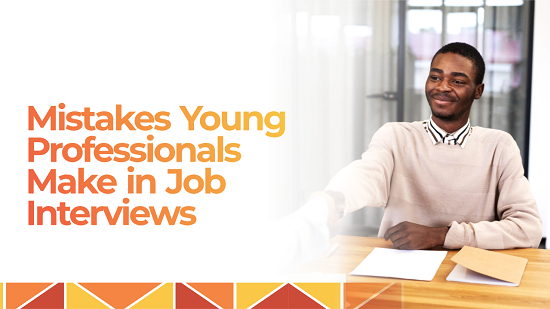
Mistakes Young Professionals Often Make As They Enter The Job Market

Graduating from college or university is an incredible accomplishment, but entering the workforce is a completely different type of challenge. Many young professionals have the expectation that their successful completion of education will automatically translate into a successful career. That’s not always the case.
The transition from academia to the working environment has many adjustments, learning experiences, and periods of patience. While it is acceptable to make mistakes, there are several common errors that can hinder your career development and potential. Learning about the most common mistakes made by recent graduates can enable you to develop strategies to successfully navigate your career.
1. Anticipating Quick Career Advancement
Expectation of immediate success is another common mistake made by many new employees.
Many graduating students expect that upon securing employment, they will achieve high salaries, be promoted, and receive widespread recognition within the company. What really happens is that almost all careers take time to grow.
Why This Can Be a Major Problem
Unreasonable expectations can result in dissatisfaction and feelings of disappointment. There are also some people who leave their jobs prematurely due to feeling that they are not moving up the corporate ladder quickly enough.
Better Strategy
Instead of focusing on achieving rapid success, focus on learning and gaining experience in your early years. Most of the time, steady, incremental growth leads to larger opportunities.
2. Not Developing Your Skills
Your degree is a valuable commodity; it alone cannot meet the requirements of most employers. Employers typically seek candidates with the following practical skills:
- Communication
- Problem-solving
- Digital Literacy
- Teamwork
Example
A student earns excellent grades in school yet lacks good communication skills. He/she would likely struggle with meeting presentations or participating in discussions during team meetings.
Better Strategy
After graduation, continue learning and expanding your knowledge base through additional coursework (e.g., certification programs), practicing new skills, and keeping current in your industry.
3. Submitting the Same Resume for Every Application
There are many graduates applying for jobs using the same resume.
Why This Is Wrong
Each position will require different types of skills. By submitting a generic resume, you may not be highlighting the skills and experiences the particular employer is seeking.
Better Strategy
Customize your resume and cover letter for every position you are applying for. Highlight those aspects of your background and experience that best fit the position you are seeking.
4. Refusing To Consider Entry-Level Positions Due To Feeling Overqualified
While it is understandable that some recent graduates do not want to consider entry-level positions, since they believe they are overqualified.
Reality Check
Entry-level positions offer:
- Practical Experience
- Workplace Exposure
- Networking Opportunities
Example
Although the initial compensation may not be sufficient, internships/junior roles may ultimately lead to more significant career opportunities.
Better Strategy
Even though you aspire to advance in your profession, be prepared to begin at the bottom rung of the corporate ladder while planning for upward mobility in the future.
5. Lack Of Effective Time And Work Habits
Students usually follow a structured schedule while attending classes. Once employed, you will be expected to manage your time independently without supervision.
Common Problems Experienced With Managing Time/Work Habits
- Missing Deadlines
- Late Arrival/Departure From Work
- Poor Organization
Better Strategies For Managing Time/Work Habits
- Punctuality
- Plan out your task list ahead of time
- Meet deadlines consistently
Employers place just as much emphasis on dependability as they do on ability.
6. Failure To Develop Professional Relationships At Work
Many graduates complete their assigned tasks and fail to build rapport with co-workers/supervisors.
Why It Matters
Building positive relationships at work can:
- Create Additional Learning Experiences
- Improve Interpersonal Interaction Among Team Members
- Open Doors To Potential Future Career Advancements
Example
If you establish a good relationship with a co-worker/supervisor, they may be able to refer you for other job opportunities in the future.
Better Strategy
Establish respect and effective communication among colleagues. Demonstrate an openness to collaboration.
7. Fear Of Asking Questions
Newer professionals often hesitate to ask questions when they are unsure because they worry that others might think them incompetent.
What’s Wrong With That?
Not asking questions can result in making incorrect assumptions, missing educational opportunities, and/or becoming frustrated.
Better Strategy
When unsure of something, don’t hesitate to ask questions. Demonstrating an eagerness to learn and improve demonstrates an employee who is committed to improving.
Nobody expects you to know everything when you start.
8. Making Unhealthy Comparisons Between Yourself And Other People
As everyone advances differently throughout his/her career, it is easy to feel pressure when seeing other classmates advancing further than themselves.
Why This May Cause Harmful Consequences
Constantly comparing yourself to others can cause feelings of inadequacy and/or anxiety.
Better Strategy
Focus on your own development. Establish personal goals and evaluate your individual performance compared to your own career journey.
9. Failing To Manage Your Personal Brand Online And Offline
With technology rapidly changing our daily lives, presenting oneself professionally becomes increasingly important.
Typical Errors Made By Recent Grads
Better Strategy
- • Posting unprofessional content on social media outlets (Facebook/Twitter/etc.)
- Having no professional online presence (LinkedIn, etc.)
- Being unable to clearly articulate ideas/concepts.
Present yourself professionally online/offline and use social media platforms such as LinkedIn to demonstrate your talents/achievements.
In conclusion, entering your career is challenging, and mistakes are going to occur as part of your growing experience. However, recognizing common obstacles can prevent unnecessary missteps.
Additionally, having realistic expectations about your career progression, continually acquiring necessary skills for your chosen profession, customizing resumes/covers letters for each job opportunity, and developing professional connections can lay a solid foundation for long-term success.