
Learn about the growing impact of Technology on education in Ghana by exploring the ways Digital tools, e-learning, and innovations have impacted student accessibility, teacher delivery of instruction, and overall student performance.
Ghana’s education system is experiencing an understated yet profound transformation. The traditional classroom, often reliant upon chalkboard notes and textbooks, is increasingly incorporating digital tools that extend the reach of learning beyond its four walls. Digital tools – including online learning environments and mobile-based learning applications are revolutionizing how both teachers instruct and students learn. While the emphasis is largely on increasing efficiency, it is providing greater opportunity to increase access to education for all learners while enabling learners to prepare themselves for an ever-changing world.
As Ghana continues to develop its digital infrastructure and innovation, so too will the role of technology play within its education system. An understanding of the changes taking place enables educators, students, and families to maximize the use of the digital tools currently available.
Table of Contents
The rise of digital learning in Ghana:
Improved access to information, as well as improvements in internet connectivity, have greatly increased the number of educational resources students may access online. Students may view instructional video clips, participate in virtual classrooms, and engage with other educational online resources. E-learning platforms are also popular among learners located in urban settings. The ability to learn at one’s own pace, review lessons as desired, and the availability of a variety of subject matter and resources are several reasons why online learning platforms have gained traction. Additionally, during times when schools may close due to weather-related events or other unforeseen circumstances, online learning provides a viable alternative.
A few additional benefits associated with digital learning include the following:
- flexibility regarding scheduling
- Increased access to a wide array of subject matter and resources
- ability to complete coursework at a self-directed pace
- engagement using multi-media content
While challenges continue to exist – primarily related to the costs associated with accessing the internet and maintaining reliable connections, many schools have adopted digital-based solutions.
Impact on teaching methods using technology:
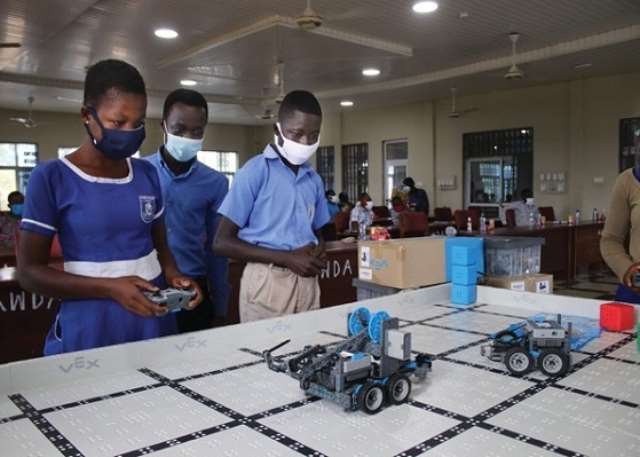
Technology has provided value to students, but it has also transformed the way teachers teach. Teachers who incorporate modern technologies into their lesson plans create a much more interactive and engaging experience for their students. Today’s teachers utilize the following:
- Projector screens (and/or smart boards) to present visual content
- Educational software to provide explanations for abstract concepts
- Online platforms to assign/track homework assignments
Using these types of tools allows teachers to more effectively communicate difficult concepts, particularly in subjects such as science/mathematics. Additionally, educational software offers learners the opportunity to simulate/experience complex ideas that could be difficult to comprehend via text alone. Furthermore, utilizing online platforms provides teachers with the means to locate professional development resources – allowing them to stay current with contemporary best practices for effective instruction.
Closing the gap between urban and rural education:
For many years, a large disparity existed between urban and rural schools in Ghana. Technology is beginning to bridge this divide.
Digital learning initiatives in some rural regions have implemented Digital learning initiatives via:
- Devices powered by solar energy
- Offline educational content
- Television/radio-based lessons
Regardless of whether a learner has consistent access to the internet, these solutions provide rural learners with similar opportunities as those found in urban areas.
Additionally, mobile phones are becoming learning tools throughout Ghana. By extending educational resources to underserved communities, technology is developing opportunities for students everywhere in Ghana.
The impact of mobile technology in education:
Mobile technology plays a central role in the transformation of education in Ghana. Many learners/students and educators utilize their mobile devices for educational purposes.
Mobile devices enable learners to:
- Participate in online courses
- Engage with peers via messaging apps to collaborate on studies
- View tutorials/videos/presentations related to academic coursework
- Read digital versions of textbooks
Due to their affordability and accessibility, mobile learning represents a valuable option for learners/students in areas where desktop computer access may be limited. However, caution should be exercised regarding the proper utilization of mobile devices for educational purposes versus distractions.
Promoting student engagement/creativity:
Technological advances facilitate learners taking an active part in their educational process. Rather than simply listening passively, learners can actively engage with the material presented and explore creative avenues of inquiry.
Utilizing digital tools/literature allows learners to:
- Develop presentations/projects
- Easily conduct research
- Collaborate with peers remotely
Interactive learning facilitates enjoyment/enhanced retention of learned concepts. Additionally, interactive learning processes assist in developing critical thinking/problem-solving skills required in today’s fast-paced world.
Challenges facing technology implementation within education systems:
Although great progress has been made thus far in regard to implementing technology into education systems, there are also still barriers that must be overcome. Many schools do not possess the necessary technological resources to completely implement technology into their respective educational systems.
Commonly experienced challenges include:
- Insufficient/unreliable access to the internet
- High costs for purchasing Digital devices
- Training for teachers is inadequate/unavailable
- Unpredictable power supplies in certain locations
Collaborative efforts between governments/private organizations/community stakeholders must occur if these challenges are to be effectively addressed. Long-term sustainability of education systems will require investments in infrastructure/training for educators.
Practical Ideas for Students & Teachers
In order to get the most out of technology in education, both students and educators need to be aware of how they’re utilizing technology. Below are some useful ideas for students and teachers.
Students:
- Only use established or trusted educational websites and programs.
- Designate (and stick to) particular study times when you’ll minimize your opportunity to be distracted.
- Record your thoughts during online classes (e.g., take notes).
- Limit your screen time; continue to spend time studying offline.
Teachers:
- First, utilize basic digital applications/programs; later, consider advanced programs/platforms.
- Utilize the opportunity to involve your students through the inclusion of interactive learning activities.
- Continue to develop and refine your instructional techniques.
- Collaboratively share educational materials and/or resources with other teachers for greater success.
With these methods implemented, technology should begin to provide support rather than becoming an obstacle.
Education in Ghana – Future Developments
Ghana has a bright outlook for its educational institutions as technology evolves. As funding is continuously invested into digital infrastructure and innovations, many educational establishments are projected to implement contemporary forms of learning.
Some emerging trends in education development include:
• Online virtual classroom environments
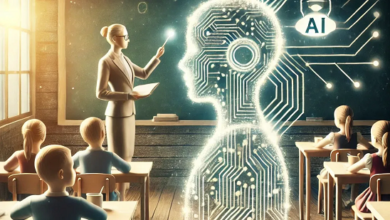
• Artificial Intelligence (AI) in Education
• Customized Learning Experiences
• Increased utilization of digital assessment tools.
Not only will these advancements increase academic achievement, but they will also enable students to pursue international opportunities.
To conclude, technology is significantly changing the way education occurs in Ghana. Not only is it expanding access to knowledge, but it is also modifying teaching practices and opening up opportunities for students all over Ghana. Though there are many challenges that remain to be addressed, the positive strides that have been taken thus far show a strong indication of the potential for future growth.
Both students and educators may unlock innovative opportunities in learning by effectively applying digital tools. Although the journey has just begun, the direction is evident: technology is forming a more inclusive and dynamic form of education within Ghana.